
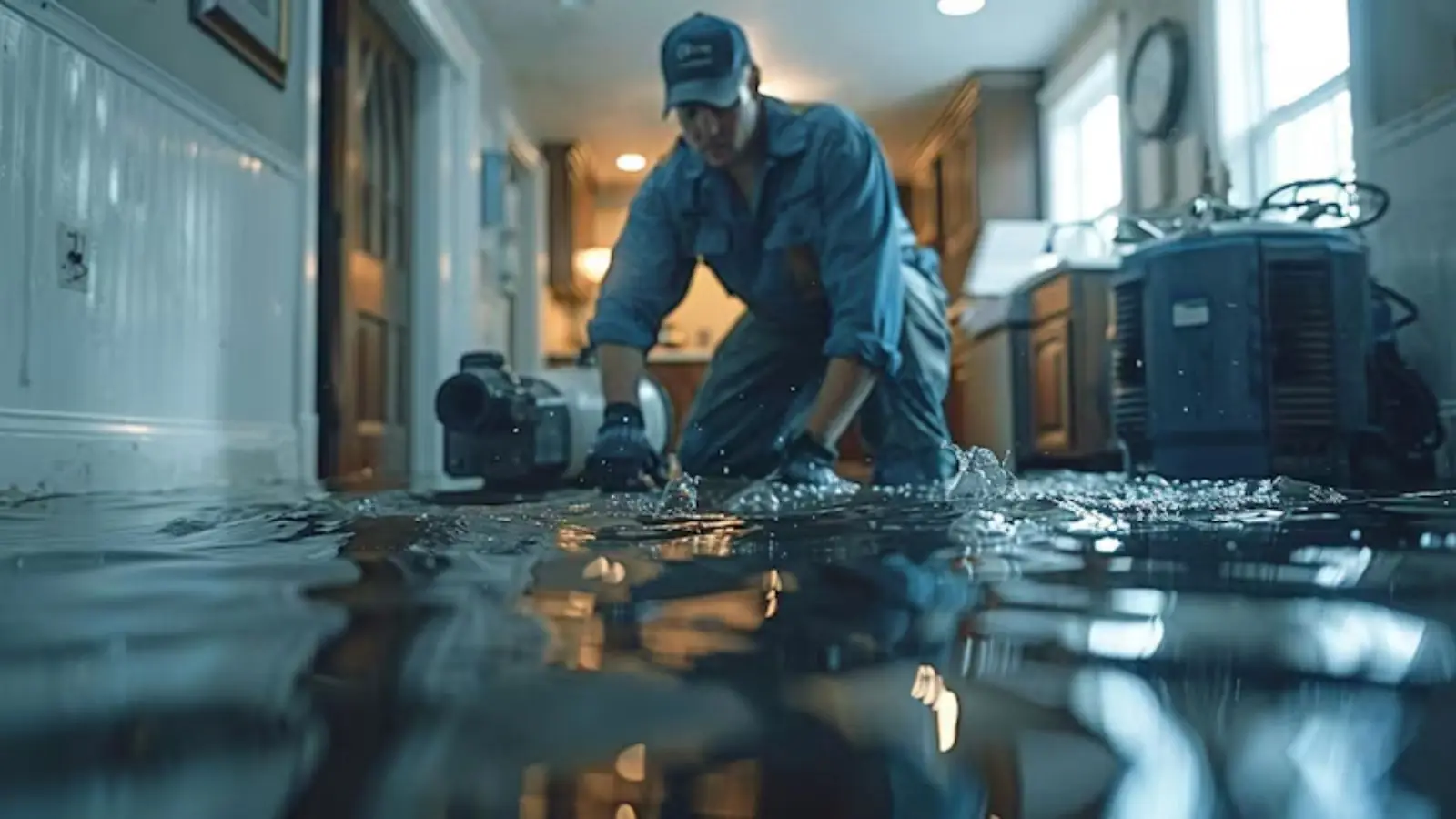
Water damage restoration is the process of stopping an unwanted water source, removing the water, drying the structure and contents, cleaning affected materials and repairing what could not be saved. In Manhattan Beach, CA it covers burst pipes, appliance failures, roof leaks, storm intrusion and sewage backups.
The aim is a dry, safe property that looks and works as it did before the loss, with as little demolition as the situation allows. Delay is costly, since soaked materials start to deteriorate fast and every extra day of dampness widens the scope of work.
The stages, in the order they happen
Restoration is a sequence, and each stage depends on the one before it. A crew that skips ahead to painting before the framing is dry will be back for a repair.
What follows is the typical sequence. A given job may skip, merge or repeat stages, depending on the water category, what the water touched and how long it sat.
Assess and document
A technician inspects the property, takes moisture readings with meters, and often uses a thermal imaging camera to trace wet areas behind surfaces. Photos and notes support any insurance claim.
Stop the source and protect
The leak, supply line or intrusion point is isolated. Contents are lifted or moved, and wet areas are protected so damage does not spread.
Extract standing water
Wet vacuums and submersible pumps pull bulk liquid off floors and out of carpet. Getting the volume out early saves the most drying time later.
Dry the structure
Air movers blow moving air over soaked surfaces, and LGR dehumidifiers condense the humidity out of the room. Crews keep checking meter readings and stop only when the materials have settled back to normal.
Clean and sanitize
Affected surfaces and salvageable contents are cleaned. Odor and bacterial concerns are addressed according to the water category.
Repair and rebuild
Soaked wallboard, insulation, flooring and finishes are swapped out where needed. When drying wraps up, water damage repair takes over to finish the rebuild.
Where the water usually comes from
Most residential jobs start with something ordinary. A supply line under a sink lets go, a water heater tank corrodes through, a washing machine hose splits, or a roof seam opens during a winter rain.
Hidden sources are the ones that cause the largest losses, because water runs inside walls and under flooring for days before a stain appears. A soft baseboard, a faint hissing sound or a bubbling paint line are all clues worth acting on.
Sewage and rising flood water belong to a different class of event. They carry contamination, so they change how the work is done and who should stay out of the area while it happens.
Water still moving through the house?
Call the 24/7 line. Same-day response is available when crews are available.
Mitigation and restoration are not the same word
Mitigation is the first phase, aimed at stopping loss from growing: shut-off, extraction, drying setup and moisture mapping. Restoration is the wider job that includes cleaning and rebuilding.
A dedicated water mitigation visit is time-sensitive, while the rebuild can be scheduled around your life and your adjuster. Keeping the two phases clear helps you read a quote and compare it with another.
Water categories change the plan
Water is sorted into three categories by contamination level in the industry reference ANSI/IICRC S500. The category decides which materials can stay and be dried in place and which have to be removed.
The table below summarizes the idea. The category can worsen over time, since clean water left in a wet structure may become contaminated.
| Category | Typical source | General handling |
|---|---|---|
| Category 1 | Supply line break, tub overflow of clean water | Extract and dry. Most materials can be saved if dried promptly. |
| Category 2 | Washing machine discharge, dishwasher overflow | Extract, clean and dry. Carpet padding is often removed. |
| Category 3 | Sewage, rising flood water | Stay out. Porous materials are removed and affected areas are cleaned and sanitized. |
Ask a company whether it follows S500 on its jobs. That document is a trade reference for the industry, and a website cannot vouch for any company's practice.
Equipment you will see on a job
Look for air movers, the low fans that sit on the floor and drive air along wet walls and floors. Alongside them, LGR dehumidifiers pull vapor out of the air so it cannot soak back into the structure.
Extraction units and pumps clear standing water, moisture meters confirm whether materials are dry, and thermal imaging cameras help trace hidden damp. Drying commonly takes days, not hours, and equipment stays until readings say the structure is dry.
What it costs and how insurance fits
Cost follows water category, affected area, materials, drying days and rebuild scope. A fair scope is explained before work starts, and it should separate mitigation from repair.
Coverage turns on the wording of your policy. Sudden, accidental discharge is treated differently from slow seepage or long neglect, and rising floodwater generally calls for a separate flood policy. Call your insurer early and ask what it needs from you.
When to call and what to do while you wait
Phone when water is actively flowing, a stain is growing or a damp odor lingers after a leak. Where safe, close the main shutoff, cut power to wet rooms only if the panel is dry and reachable, move valuables up and keep family and pets clear of dirty water.
Call 911 or the utility first for any electrical or gas risk. Then call the 24/7 line on this page to arrange an inspection.
Local note for Lawndale and Hermosa Beach
Lawndale's permits, plan check and inspections run through the Building and Safety division, found at 14717 Burin Avenue. Contact that office before a rebuild begins. More is on our Lawndale service page.
Hermosa Beach routes permit questions through its Building Division, which can matter after a water loss. Our Hermosa Beach page covers local specifics.
Both notes draw on official city pages, and requirements differ by project, so confirm with the city before repair work starts.
Questions about what is water damage restoration? a manhattan beach guide
Does restoration mean the same thing as repair?
Not quite. Restoration includes stopping and drying the water and cleaning the area, while repair is the rebuild phase afterward.
Many jobs involve both, but they can be scheduled and priced separately.
How long does restoration usually take?
Extraction can be done in hours. Drying is measured in days and ends when moisture readings return to normal.
Rebuild time depends on how much material was removed.
Can I dry the house myself with household fans?
For a very small, clean spill on a hard floor, maybe. For wet drywall, padding or hidden cavities, household fans rarely move enough moisture.
Moisture meters tell you what feels dry and is not.
Does restoration prevent mold?
Quick drying lowers the odds of mold taking hold, though no process can promise it won't.
Controlling moisture is what matters most.
Do restoration companies near Lawndale and Hermosa Beach follow the same process?
The stages are the same wherever the property sits. What changes is the water source, building materials and local utility questions.
We explain the plan for your address before work starts.