
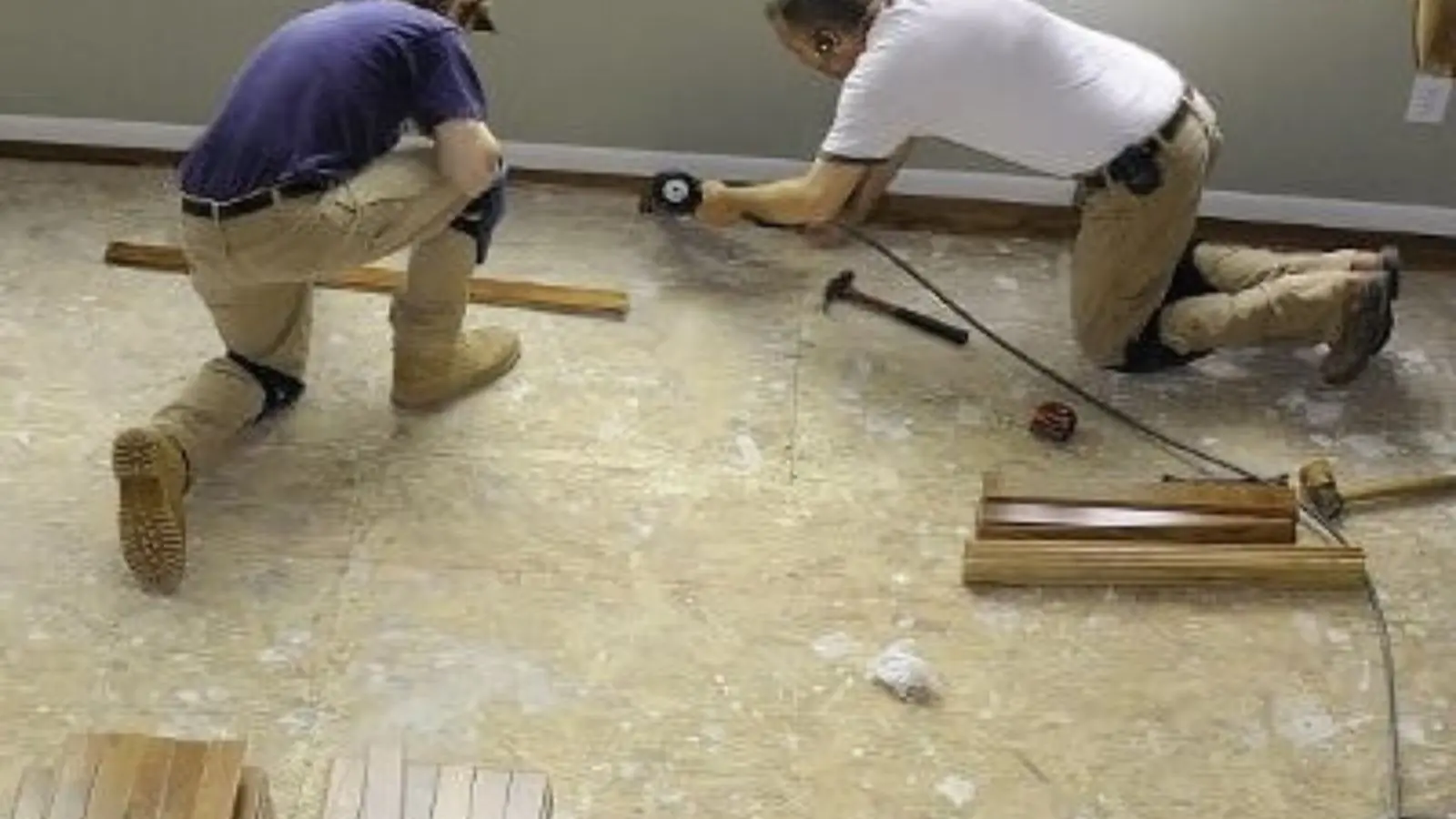
Rebuilding a home after a leak is what this page covers. It starts once a wet structure has been dried and measured, and it includes new drywall and insulation, ceiling patches, replacement flooring, fresh paint and cabinet refits. Sequence is everything, since repairs built over damp framing tend to fail within a season.
A weeping supply line, a seam in the siding that lets water in for weeks, a stain that turns out to be bigger than the paint suggests: these are the usual stories from the Sand Section out to Liberty Village. Below you will find how a repair gets scoped, what the work involves, and where drying ends and rebuilding begins.
Why Manhattan Beach homes need repair work after a leak
Annual rain here is light on paper. NOAA's 1991-2020 normal at LAX comes to 12.23 inches for the July to June season, against an average of 11.90 since 1944. With so little weather to test them, flashing, window seals and siding seams can leak unnoticed until one heavy storm exposes the gap.
Most repair calls start somewhere less dramatic than a storm. A toilet supply line seeps into the ceiling below, an air conditioner condensate line backs up, or a kitchen wall stays damp behind siding that was never sealed well. Each of these leaves wet material that has to be removed or dried before anyone paints over it.
A stain that shows up after rain deserves a look at the siding seams and roof flashing above it. Correct the source before rebuilding, or the new drywall will stain again.
Signs the damage needs repair and not only drying
Drying removes moisture, but some materials do not recover. These are the signs that rebuilding is on the table.
Brown or yellow ceiling stain
A ring that grows after each wet spell means water is still arriving or the board stayed damp. Paint alone will not hide it for long.
Bubbling or peeling paint
Moisture trapped behind a painted surface lifts the film. The drywall beneath is often softer than it looks.
Soft drywall or baseboard
Gypsum board loses strength when it stays wet. If a finger or screwdriver presses in easily, the board is a replacement candidate.
Cupped or buckled flooring
Edges that curl upward while the middle sags usually mean moisture reached the boards from beneath, or the room held damp air for a long stretch.
Swollen cabinet bases
Particleboard cabinet bottoms swell and crumble after a sink leak. Once the swelling shows, the panel rarely returns to size.
Musty smell that lingers
An odor after the surface looks dry often points to wet insulation or a cavity nobody has opened yet.
Ready to scope the rebuild?
Tell the dispatcher what the ceiling, wall or floor looks like and what was already dried.
Ceiling and Wall Water Damage Repair
Ceilings and walls make up most of the repair work homeowners describe on the phone. The typical stories are a bathroom ceiling stained at the corner near the shower, a wet spot below an upstairs closet, an attic leak that began dripping through the hallway, and a kitchen wall damaged by water that came in around siding.
Finding what is still wet comes first. A moisture meter and a thermal imaging camera outline the damaged area, which usually runs wider than the visible stain. Soft spots and sags signal that the board has lost its strength and should come down before it falls.
Where a hole is forming, the crew trims back to dry, sound material, inspects framing and insulation, and installs new board. Tape, texture, a stain-blocking primer and paint follow. A kitchen wall that took water through siding also needs the exterior seam corrected, otherwise the same wall returns to the queue.
Hardwood floor cupping and drying
Cupping happens when the underside of a board takes on more moisture than its top. Walnut and oak floors both do it, usually after a washer valve breaks, an air handler drain overflows, or water sits under a refrigerator. The edges rise and the center dips.
Many cupped floors flatten once the moisture equalizes, so sanding too early is a mistake. A moisture meter tracks the boards and the subfloor over days, and sanding waits until readings settle. If the boards stay distorted after they are dry, replacing the worst runs is the honest next step.
How repair is assessed and carried out
A repair scope is only reliable when it follows measurements. The sequence below is how the work normally moves.
Confirm the material is dry
Pin and pinless moisture meters, a hygrometer and a thermal imaging camera show whether framing, subfloor and drywall are at normal readings.
Remove what cannot be saved
Soaked drywall, insulation and swollen trim are cut out in clean lines so the patch has solid edges to attach to.
Check the cavity
The open wall or ceiling is looked over for staining, odor and damp framing before anything goes back in.
Rebuild the layers
Insulation, drywall, tape, texture, primer and paint go back in sequence, with time allowed between coats.
Finish flooring and cabinets
Flooring is replaced or refinished once readings settle, and damaged cabinet bases are rebuilt or swapped.
Repair options and honest trade-offs
There is rarely one right answer. The choice depends on how far the damage spread and how well the new work needs to match the old.
| Option | Best when | Trade-off |
|---|---|---|
| Spot patch | Small stained area, dry framing, drywall still firm | Texture and paint matching is harder, and a hidden wet area can be missed |
| Section replacement | Soft or sagging board, damage limited to one bay or one wall run | More dust and more painting, but the new board is solid and the edges are clean |
| Full wall or ceiling replacement | Damage across most of a surface, or repeated leaks in the same place | Larger scope and longer schedule, with the most even finish |
| Flooring replacement | Boards stay distorted after drying, or the subfloor is compromised | Color and sheen matching with older boards takes planning |
Neither the cheapest option nor the biggest one is automatically right. A good scope names the repair method for each room and says why.
What you hear about scope and cost before the first tool comes out
Callers usually ask for a quote first, and that is a fair starting point. Repair cost hinges on what turns up behind the surface, so the process opens with an inspection of the property and a written scope listing every room and material.
Before any work begins, you hear the scope and the pricing. If opening a wall reveals more damage, that change is discussed with you before the crew goes further. Scheduling depends on the day, and an earlier slot is sometimes open.
What affects the cost of water damage repair
No flat number fits every home, so the table below shows what pushes a repair price up or down.
| Repair cost driver | Effect on the rebuild |
|---|---|
| Source of the water | Clean supply-line water leaves more material worth keeping, while gray or black water sends more materials to the dumpster |
| Size of the damaged area | One ceiling bay is a different job from a hallway, a kitchen wall and the floor beneath it |
| What the surfaces are made of | Plaster, drywall, hardwood, laminate, carpet and cabinets each repair in their own way |
| How long drying takes | Slow-drying assemblies hold up the rebuild, which only begins once readings return to normal |
| Finish work | Matching texture, paint, trim and cabinets adds steps beyond the board itself |
A standard homeowners policy tends to respond to abrupt, accidental leaks, while long-running seepage and poor upkeep are commonly carved out. Flood is a separate matter: the state insurance department's consumer pages treat rising-water flood as a separate product you buy on its own. Read your policy or ask your insurer, and take photographs before anything is removed.
Keep ruined belongings on hand until the adjuster signs off, and save receipts for protective measures. For a number that fits your house, call (424) 550-5662.
Permits, neighbors and planning a repair in Manhattan Beach
Some repair work calls for a permit under California's Building Standards Code, and rules are set city by city. Before you sign anything, phone your own city's permit counter. The Manhattan Beach permits desk is at 1400 Highland Avenue, reachable at (310) 802-5544.
Where your home shares a wall, ceiling or roof with neighbors, as many multi-unit buildings do, a ceiling stain may start in the unit above. Tell the association or property manager early so the source gets fixed on their side as well.
Homes just across the border face the same questions, though their utilities differ. The Hermosa Beach service page covers that city's water supplier and building division.
Repair comes after drying and cleanup
Rebuilding sits at the end of a sequence. If the structure is still wet, start with water mitigation so drying equipment pulls the moisture out first. If the loss involved contaminated water or debris, water damage cleanup removes and sanitizes affected materials before repair begins.
Once readings are normal and the source is fixed, the repair crew can rebuild with confidence. That order protects both the new materials and your budget.
Common questions, answered for Manhattan Beach
When should I call for repair, and when does drying have to come first?
Call for drying first whenever materials are still damp, the leak was recent, or a meter shows readings above normal. Call for repair when the area is dry, the source is fixed, and the remaining problem is a stained, soft or distorted surface.
If you are unsure, a moisture reading settles it. Rebuilding over damp framing invites staining and mold.
How long does ceiling repair take after a leak?
The timeline depends on the size of the damaged area, how long the drywall needs to dry before taping, and how many coats of texture and paint the finish needs. A small patch is a shorter job than a full ceiling, and each coat needs time to cure.
The written scope lists the steps in order so you can see where the schedule comes from.
Do I need a permit for water damage repair?
It depends on the work. California's Building Standards Code requires a permit for some repair and alteration work, and local rules differ. Call the permits desk in Manhattan Beach, or the building office where you live, ahead of the work.
Can the new drywall match my existing texture and paint?
Texture can usually be matched closely with the right tools, and paint is blended or applied across the whole wall to avoid visible patches. Older finishes sometimes take a trial sample, so expect a test area on larger jobs.
Will my floor flatten on its own after cupping?
Often the edges settle once the moisture equalizes, which can take days or weeks. Sanding before the readings stabilize usually leaves a floor that cups again. If boards stay distorted after drying, replacing the worst runs is the better option.
Does insurance cover water damage repair?
Coverage for sudden and accidental damage is common, while slow leaks and neglect are often excluded. Flood damage normally falls under separate flood coverage. Read your policy or call your insurer before deciding anything.