
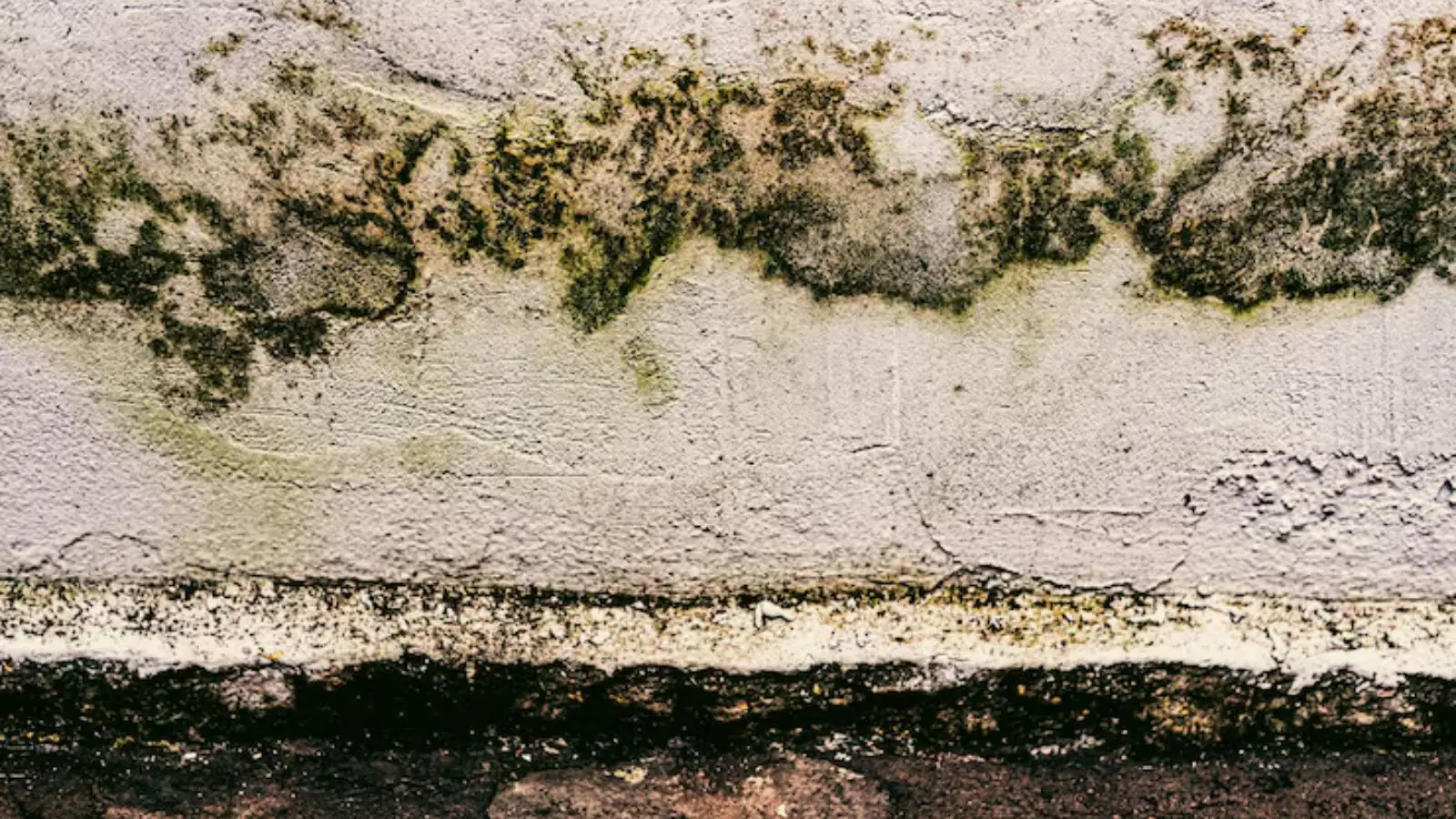
Mold in a Manhattan Beach, CA home usually looks like fuzzy, spotted or slimy patches in shades of black, gray, green, white or brown, often on a surface that stayed damp. It tends to sit in clusters at the edge of a stain rather than spread in a clean line.
No photo guide can tell you what a growth is made of, and we do not identify species or diagnose anything. What a good look can do is help you decide whether to dry and clean the spot, or to bring in mold remediation for an assessment.
Colors and textures at a glance
Mold varies a lot in appearance, which is why color alone is a poor guide. These are the common looks.
Black or dark gray spots
Small clusters or speckles that look like pepper or soot, often at wall and ceiling corners.
Green or blue-green patches
Powdery or velvety growth, common on damp fabric, paper and wood.
White fuzz
Cottony strands on wood, stored items and stone, easy to mistake for dust.
Brown or tan rings
Flat marks that could be mold or an old water stain. Look for texture.
Slimy or smeared film
Wet-looking growth where moisture stays constant, such as under a leaking sink.
Mold or something that looks like it
Several things resemble mold, and a few are not mold at all. Use this comparison before deciding what you are dealing with.
| Looks like | How to tell | Next step |
|---|---|---|
| Mold | Fuzzy, spotty, or slimy, often with an odor, near moisture | Fix the moisture source, then dry and clean or get an assessment |
| Mildew | Flat, powdery or downy surface growth, often white or gray on bathroom surfaces | Treat as mold for cleanup purposes, and fix the humidity |
| Water stain | Smooth, brown ring with no texture | Find the leak, dry the area, and watch for growth |
| Efflorescence | White crystal deposit on masonry or concrete, no odor | Moisture is moving through the masonry, so check drainage and leaks |
| Dirt or soot | Wipes off dry and has no musty odor | Clean normally |
A dry wipe test helps. Mold usually smears or leaves a damp film, while dust and soot lift off. If you are unsure, take a photo and have the area looked at, instead of scrubbing it.
Homeowners in El Segundo and Hawthorne send the same kinds of photos, and the same first questions apply: where is the water coming from, and how large is the patch?
Not sure what you are looking at?
Call to describe the spot, the leak behind it and the room. An inspection can be scheduled by phone.
Where mold shows up after a leak
Mold follows moisture, so the places it appears usually point back to the leak. The same few locations come up again and again after plumbing, roof and condensation problems.
Closets against outside walls
Clothes and stored boxes block airflow, so a damp wall stays damp.
Under sinks
A slow drip from a supply line or drain leaves cabinet floors and back panels wet.
Bathroom corners and ceilings
Steam and a weak exhaust fan feed growth where wall meets ceiling.
Behind furniture
A sofa or dresser pushed flat against a wall creates a pocket of still, damp air.
Under carpet and pad
A pulled-up corner can show growth on the underside that never showed on top.
Around windows
Condensation and failed seals leave frames and sills wet.
The smell test
A musty, earthy smell with no visible source often means moisture hiding in a wall, floor or ceiling. The EPA notes that visible mold and moldy odors should not be present after cleanup is finished, so odor is a useful check on whether the job was completed.
If you smell something but see nothing, do not start tearing into walls. Meters and a thermal imaging camera can find the wet area with far less guesswork.
Why the look changes over time
Mold does not stay one color. Young growth can be pale and powdery, while older patches darken and spread. A spot that looked white last month can be dark gray now, so a change in color is not a sign of a different problem.
Cleaned areas can also leave behind a stain. The EPA notes that mold can cause staining and cosmetic damage, and that the original appearance may not be restored. Stains alone do not mean growth is active, so judge by texture, odor and whether the surface stays damp.
What to do when you find it
Work in this order and stop at the point where the job gets bigger than a household task.
Do not disturb it
Brushing or vacuuming spreads material through the room.
Find the moisture
Check pipes, roofs, windows, vents and condensation lines.
Measure the area
Areas smaller than about 10 square feet are ones many households can handle, per the EPA. Larger areas call for professionals following S520.
Dry it
Dry a wet area within a day or two, the federal advice goes, so run fans and a dehumidifier right away.
Document it
Photograph the area and keep notes. With a claim open, California's insurance regulator suggests photos of the damage plus a written record.
Where wallboard, insulation or carpet took the hit, it generally comes out, and then water damage repair rebuilds.
Questions about health
We cannot tell you whether a particular growth is harmful, and a restoration company cannot diagnose a person. Questions about how mold affects someone belong to a physician. What we can do is assess and remove material from the building.
Where this happens around Manhattan Beach
The city is made up of distinct areas. The Sand Section lies west of Highland Avenue near the beach, the Hill Section is a hillside with ocean views, and the Tree Section has streets named for Walnut, Pine and Elm. Moisture risk changes by home design more than by neighborhood name, so look at closets, baths and roof lines in your own house first.
Homes in the Liberty Village area near Aviation Boulevard and in the gated Manhattan Village community sit on the east side of town. El Porto is the north end beach area. These details come from city information gathered for the area, and they are useful for telling a repair crew exactly where to go.
Permit rules for rebuilding after cleanup depend on your address, and the city's planning and permit staff can say which apply. Ask before opening walls.
Questions about what does mold look like in a manhattan beach home?
Can mold be white?
Yes. White fuzzy growth appears on wood, stored items and stone. It can look like dust, so a wipe test or a close look at texture helps.
Is a brown ring on the ceiling mold?
It might be an old water stain, and mold may or may not be present. Check for a fuzzy texture and a musty odor, and look for the leak that caused it.
Why is there mold in my closet but nowhere else?
A closet on an outside wall gets little air, so a small leak or condensation hangs around. The closet is where the moisture stayed.
Does mildew count as mold?
Mildew is a term for surface growth, often on bathroom surfaces. For cleanup, treat it the same way: fix the humidity, clean, and dry.
I see nothing, but the room smells musty. What now?
Moisture may be hiding in a wall, floor or ceiling cavity. A meter and thermal camera inspection can locate it before any demolition.