
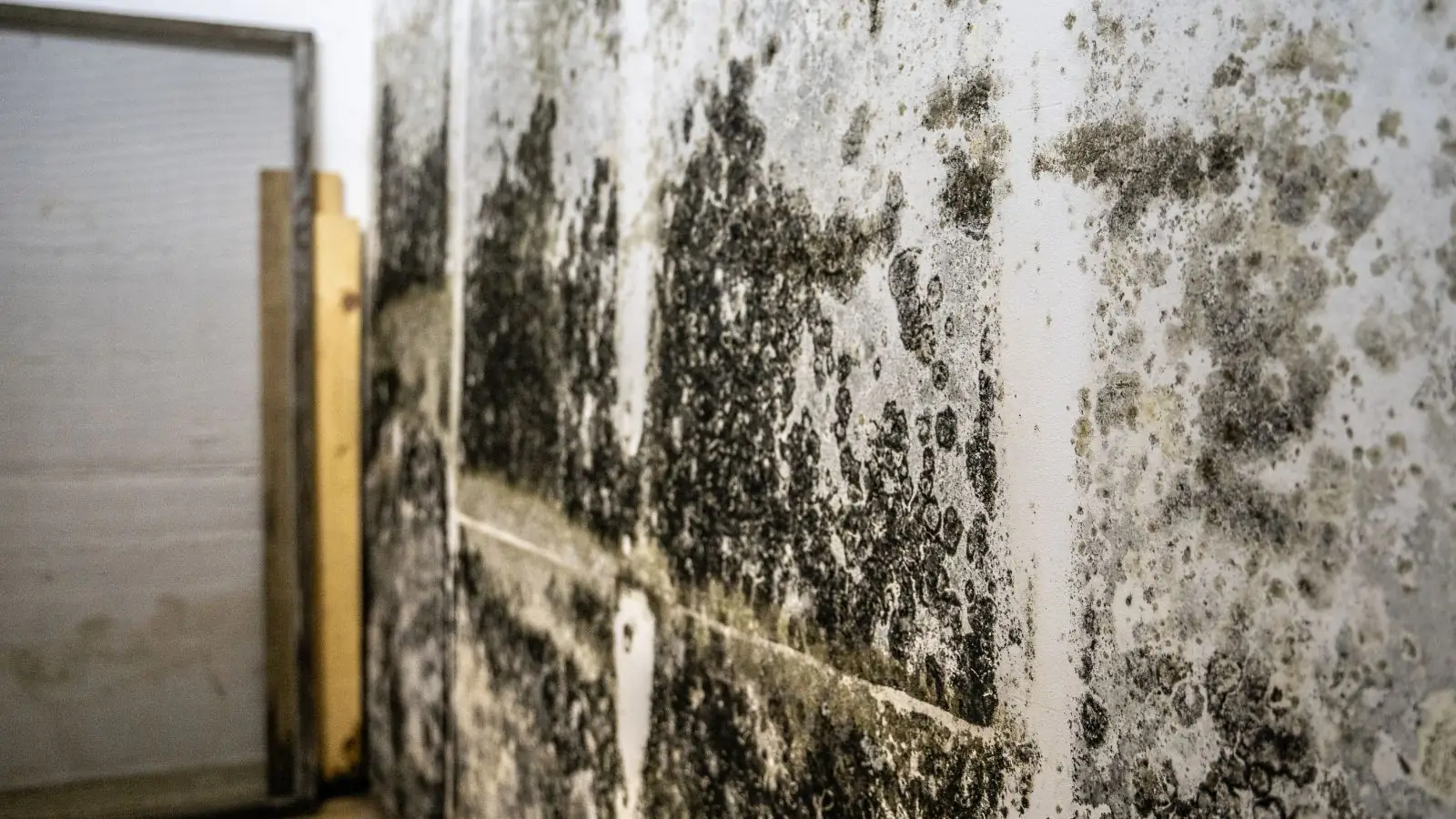
Basement mold removal cost in Manhattan Beach, CA depends on a short list of physical facts about your space, not on the city name or a flat rate. The same musty corner can be a small cleanup or a multi-day containment job, and the difference usually comes down to how far moisture traveled and what the wet material is made of.
What follows is the list of things a crew weighs before it names a figure. It applies to a basement, a lower garage, a sunken storage room or any other space cut below the surrounding grade. No dollar amounts appear here, since an honest figure needs someone standing in the room with a moisture meter.
What a mold removal quote is built from
A quote for mold work is a sum of labor, containment supplies, air filtration time and disposal. Each piece grows or shrinks with conditions that a person can only judge in the room. That is why a phone estimate without an inspection is a guess.
The table below lists the factors in the order crews usually raise them. Read it as a checklist for your own space before anyone arrives.
| What varies | Effect on the scope of work |
|---|---|
| Affected area | Larger patches need more containment, more removal and more filtered air time. The EPA treats about 10 square feet as the line between a household cleanup and professional work. |
| Moisture source | A live leak or seepage must be fixed first. Until it is, cleaning only buys a short pause. |
| Materials involved | Concrete and framing lumber can often be cleaned. Wet drywall, insulation and carpet padding are usually cut out and bagged. |
| Containment and air handling | Plastic barriers, negative air and HEPA filtration add setup time but keep spores from spreading to clean rooms. |
| Drying time and equipment | Dehumidifiers and air movers run until moisture readings return to normal, which can take several days. |
| Rebuild scope | Replacing drywall, trim, flooring and paint is priced separately from the removal itself. |
Not every row applies to every job. A small surface patch on sealed concrete might touch only the first two.
Why the 10 square foot line matters to your budget
Federal guidance from the EPA draws a rough line at about 10 square feet. A patch smaller than that is something many households can clean themselves, and anything larger, or any case with heavy water damage, moves toward professional help. That line is the first thing that separates a modest bill from a large one.
That threshold shapes cost in two ways. Under it, a careful homeowner may spend only on supplies and protective gear. Over it, the job moves into containment and controlled removal, where labor and equipment time become the main costs.
Measure honestly. Mold on the back of a stored couch, behind a water heater and along a baseboard can add up to more than the one patch you noticed first.
Not sure what you are looking at?
Call to describe the spot, the leak behind it and the room. An inspection can be scheduled by phone.
Fix the moisture source before pricing the cleanup
Moisture control is what the EPA names as the heart of mold control, and it shapes the budget too. A basement wall that weeps after each storm will regrow whatever gets cleaned off it, so a sound scope begins by locating where the water gets in.
Common sources include a dripping supply line, a failed washer hose, a seeping foundation crack and condensation on cold pipes. Plumbing repairs and exterior drainage work belong to other trades, and they are not part of a mold removal line item.
If the water arrived suddenly, water mitigation usually goes first, with extraction and drying equipment set before anything is scrubbed. Skipping that stage tends to cost more later, because the longer materials stay wet, the more growth there is to remove.
Materials decide what is cleaned and what is removed
Porous materials hold moisture and are hard to clean, so they are typically removed. Think drywall, insulation, ceiling tiles, carpet and padding. Each removed square foot also creates a rebuild item later.
Semi-porous and solid surfaces such as framing lumber, concrete block and poured concrete can often be cleaned and dried in place. Stored cardboard boxes, upholstered furniture and paper goods are a separate category, and most are discarded.
The practical effect is simple. A basement finished with drywall and carpet costs more to clear than a bare utility space with a concrete floor, even when the visible mold looks similar.
Containment, air handling and cleanup add setup, not just labor
Disturbing mold sends spores into the air. Crews hang plastic sheeting, seal vents, run HEPA air scrubbers and set negative pressure so that air flows toward the work zone rather than into living areas.
Setup and teardown take hours before any removal begins, which is why even a modest job has a floor price. Afterward, surfaces are vacuumed with HEPA equipment and wiped, and debris leaves in sealed bags.
The trade reference for this work is ANSI/IICRC S520, the published mold remediation standard. Ask any bidder whether its crews follow it.
Rebuild and finish work are separate from removal
Once the mold and wet materials are gone, the space is still open framing or bare slab. New drywall, insulation, baseboards, flooring and paint come next, and they are often quoted as their own scope.
Splitting removal from finish work keeps the removal bid honest. It also lets you hire different people for the rebuild, or stretch the project over two stages when the budget is tight. The mold remediation page shows how that split plays out on a typical job.
Insurance and what to document
What your insurer pays depends on the policy wording and what caused the moisture. Check the policy or call your insurer before work begins, because a sudden event, a slow leak and a flood each get treated differently.
Photograph the area before anyone touches it, keep every receipt and hold off on large permanent repairs until an adjuster has looked. Ask your insurer directly what documentation it wants.
How a real number gets built
On the visit, someone looks over the space, takes moisture readings, traces the likely source and lists the materials involved. You hear the scope and price before any work begins, so you can hold the plan up against the factors in the table.
To get a number for your own below-grade space, phone the line on this page and set up an inspection.
Local note for Manhattan Beach basements
Hermosa Beach sits a short way south, and its Building Division describes a high water table that can flood basements, with geotechnical reports required before building. Coming from the city itself, that is a fair prompt to treat any space below grade near the coast as a moisture risk. The Hermosa Beach service area page explains how crews work there.
The tap is a separate matter from the soil under your slab. Cal Water reports that its Hermosa-Redondo system blends local wells with Metropolitan Water District supply, which is why a supply line and ground moisture are different problems. Redondo Beach households can read the Redondo Beach page for the ZIP codes covered.
For Manhattan Beach itself, the city's Public Works memo lists its groundwater pumping rights at 1,131 acre-feet per year. That is a supply figure, not a statement about basement dampness, so do not read it as one. When in doubt, ask the city building department about your address.
Questions about basement mold removal cost in manhattan beach
Is there a flat price per square foot for basement mold removal?
Not one that holds up. Area is only one of six factors, and a small patch behind drywall can cost more than a larger one on bare concrete because of containment and rebuild work.
Any flat figure you see online ignores your moisture source and your materials.
Do I need testing before removal starts?
Usually not when mold is plainly visible. The EPA notes that sampling is generally unneeded in that case, and that no federal limits exist for mold or spores.
After cleanup, a test can still show whether the area was cleaned adequately.
Can I lower the cost by removing wet drywall myself?
Sometimes, if the area is small and the water source is stopped. Demolition done carelessly can spread spores and cut into wiring or pipes behind the wall.
Ask the crew which tasks you can safely handle before the inspection, so nothing gets duplicated.
Will insurance pay for basement mold removal?
It depends on the policy and the cause. Coverage often follows the water event, so a sudden pipe failure is treated differently from long-term seepage.
Read the mold and water sections of your policy and ask your insurer directly.
Do homes near the beach in Manhattan Beach get basement moisture problems?
That varies house by house. Hermosa Beach's city building page notes a high water table there that can cause basement flooding, so below-grade spaces along the coast deserve a close look.
If you have one, check it after storms and after any plumbing event.